
MoneyLaundering
Money laundering is the way of masking illegal money and its source, making them appear as coming from a legitimate and legal source while being placed in a different business.
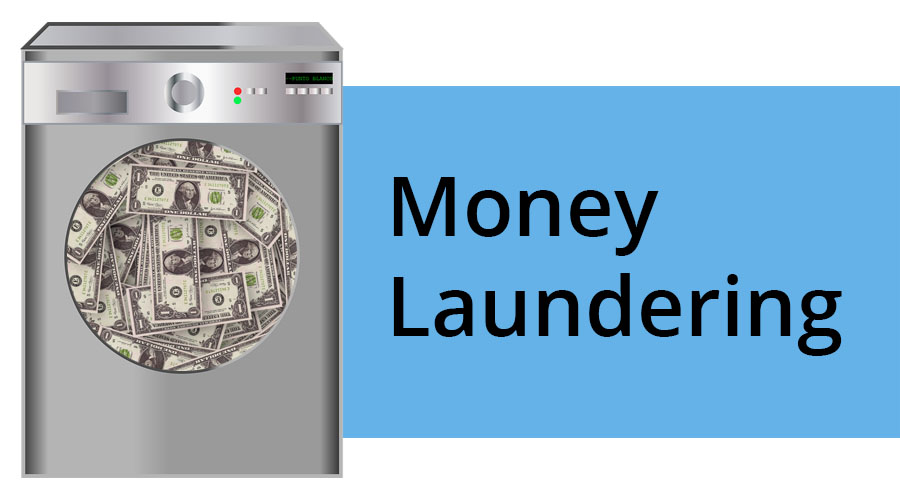
Enormous amounts of money are laundered yearly being placed within financial institutions in the whole world.
The origin of this money can be from both domestic and international activities, and their existence can cause a serious threat to any country’s economy and reputation.
The good part is that the law is protecting against this crime, and a lot of regulations and guidance have been developed to help companies recognize this situation and avoid getting involved in this type of activity. Financial institutions must comply with their country and international Anti Money Laundering legislation and report any activities where is a suspicion of dirty money.
Where illegal money come from
The money involved in laundering contributes to terrorist financing and is well known that their origin is often from insider trading, drugs, extortion, human trafficking, and illegal gambling.
How money laundering is done
In the process of laundering, individuals involved do all they can to hide and clear any evidence in relation to the provenience of the money, including faking documents, accounts, and audit trails, paying fake employees and other third party and even abusing financial institutions by using their services to deposit cash that will make money circulate into the economy and help on losing their origin faster.
Dirty money can be inserted into the economy of the country thru a few known ways:
- By Transmission, when dirty money are deposited into a money service business, many times by splitting large amounts into smaller amounts, to avoid any suspicion given by a large amount, and bribing vulnerable people that accept to intermediate money transfers with their own bank account.
- Thru Exchange of a currency in another currency
- or by Blending dirty money with the capital from a legitimate cash business, like a restaurant, shop, or any other business that is using cash.
Traditional money laundering cycle is usually a process with three stages. They are not easy to be identified but is important to understand and recognize them if possible, as being involved in any of this stage is an offense under Money Laundering law.
- Placement – is moving the money from where they provide, into the financial system by using a different business. A complex web can be developed by moving the money using a multitude of organizations and even involving them in transactions with business from other countries;
- Moving the funds – to make the provenience of the money get lost faster and avoid suspicion to be raised, funds will often be moved from one business to another, and new layers of legal transfers or transactions will be created to hide the illegal transactions easier;
- Integration – is the last phase of the process when dirty money will be reintegrated within the economic system
In each country a breach of the act can carry a different punishment depending on the offense done:
For offences like:
Concealing (which means that you have knowledge about this activity and you help with moving the funds),
Acquiring, using, and possession (which means to participate in acquisition, retention, and have in possession a property with the knowledge that its provenience is from dirty money)
Assisting (when somebody is knowingly assisting on a money laundering process)
the sentence is a maximum of 14 years imprisonment and/or a fine in UK, when in USA is 20 years plus a fine, and Germany and China have a maximum of 10 years imprisonment and a fine. Fines are also different from one country to another.
For Failure to disclose knowledge or suspicion of money laundering, and Tipping off offenses the maximum sentence is smaller ( imprisonment has a minimum of 6 months and a maximum of 5 years)